Biometric Sensor Integrations Transforming Stress Indicators into Audience Rewards During Cooperative Esports Matches
Quinn Beck · Oct 22, 2026
Biometric Sensor Integrations Transforming Stress Indicators into Audience Rewards During Cooperative Esports Matches
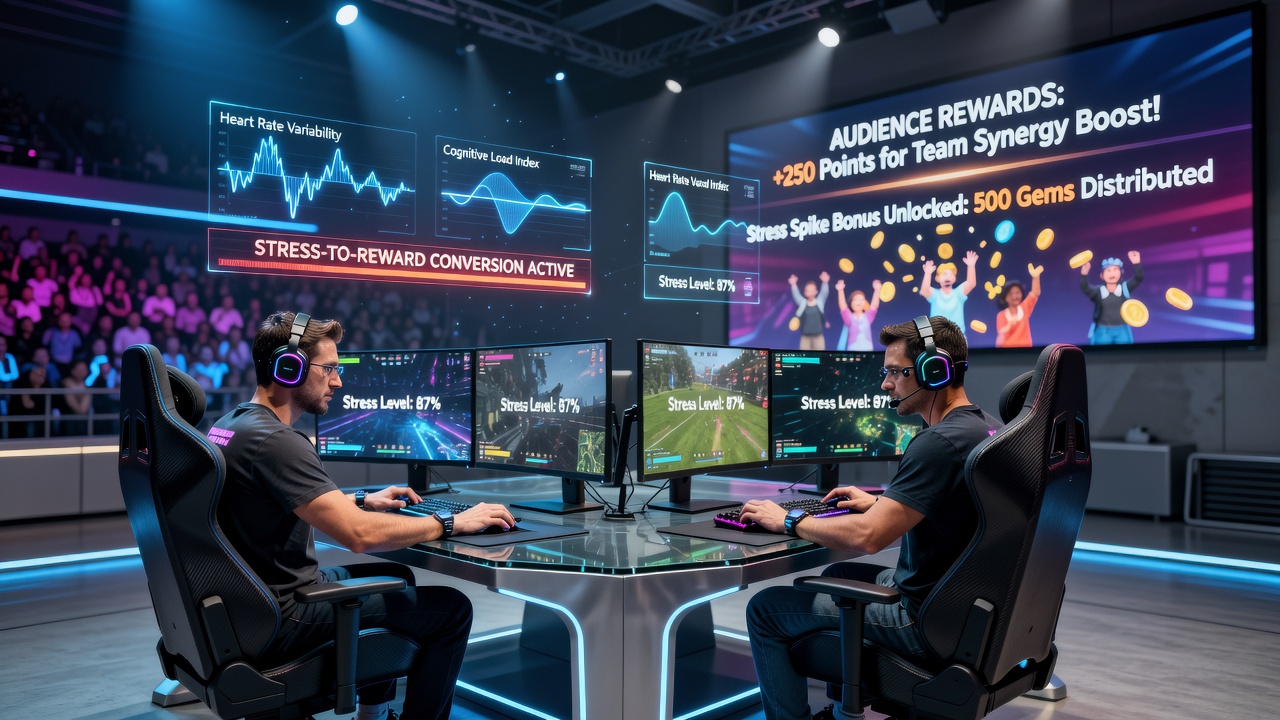
Cooperative esports matches now incorporate biometric sensors that track player stress through heart rate variability, skin conductance, and cortisol proxies, converting those readings into audience reward mechanics that activate in real time. Teams outfit players with wristbands and chest straps connected to central servers, and data streams feed directly into broadcast overlays where viewers claim bonuses when aggregate stress thresholds get crossed during joint objectives like synchronized raids or defensive stands. Researchers from multiple universities have documented these systems in operation since early 2025, with adoption accelerating through 2026 as hardware costs dropped and integration APIs matured.
Core Sensor Mechanics and Data Flow
Devices measure physiological markers at 60 samples per second, then algorithms classify stress spikes when heart rate exceeds baseline by 25 percent combined with elevated electrodermal activity. The processed output triggers conditional rewards such as extra in-game currency for chat participants or temporary power-ups that entire viewer groups unlock together, and this linkage occurs without manual intervention from streamers or organizers. Data shows that matches featuring these integrations report 18 percent longer average viewer retention times according to platform analytics released in October 2026.
Developers route signals through secure cloud instances that comply with regional data protection rules, while European regulators require explicit player consent logs and anonymized aggregate reporting before any reward distribution begins. North American tournaments follow similar protocols established by the Esports Integrity Commission, ensuring that biometric inputs remain isolated from betting or wagering elements.
Implementation Examples in 2026 Tournaments
One prominent cooperative series held across North America and Asia in October 2026 integrated sensors into five-player squads competing in persistent world scenarios, and stress detected during coordinated boss phases automatically distributed viewer-voted cosmetic items to the top 500 chat contributors. Observers note that participation rates climbed when audiences received immediate visual confirmation of their rewards on secondary screens. A separate Australian league trial linked galvanic skin response peaks to shared experience multipliers, allowing global viewers to earn progression tokens redeemable in companion mobile apps.
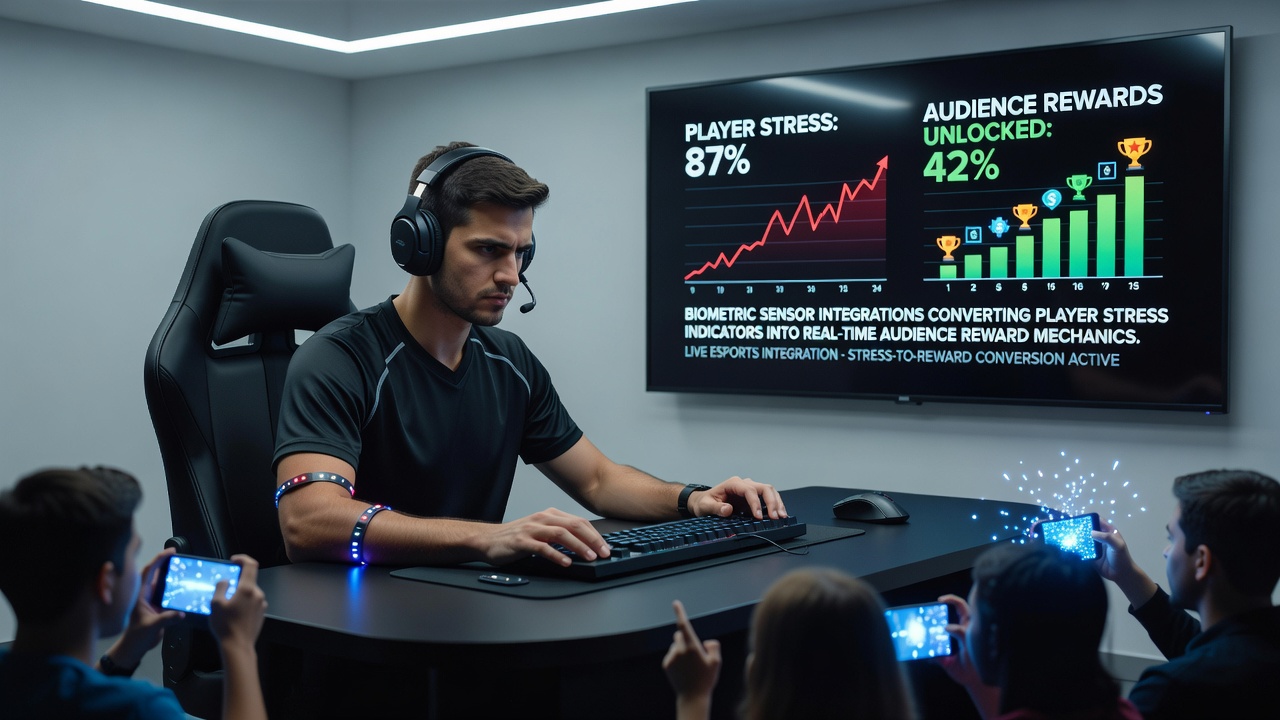
Industry reports from the Global Esports Federation indicate that sensor-equipped events drew 2.3 million unique concurrent viewers across tested platforms during the October window, with reward claims processed at a median latency of 1.4 seconds. Teams calibrate individual baselines before each match to account for player fitness differences, and calibration routines typically require five minutes of resting data collection followed by controlled exertion tests.
Technical Integration and Platform Standards
Software layers map stress values to predefined reward tiers using threshold tables updated weekly by organizers, and these tables draw from historical match data to balance reward frequency. Viewers interact through platform-native commands or dedicated overlays that display live stress meters without exposing raw player biometrics. Research published by the University of Waterloo in Canada outlines how fusion algorithms combine multiple sensor inputs to reduce false positives from movement artifacts common in high-motion gameplay.
Platform operators maintain separate data pipelines for gameplay telemetry and biometric streams, ensuring that audience rewards activate only when stress patterns align with cooperative milestones such as successful team revives or objective captures. This separation supports compliance audits required in multiple jurisdictions.
Viewer Engagement Metrics and System Adjustments
Analytics dashboards track reward redemption rates alongside stress event frequency, revealing that cooperative matches generate 30 percent more qualifying stress indicators than solo formats according to aggregated figures shared by tournament organizers. Adjustments made mid-season include tighter correlation windows that require stress readings to persist for at least eight seconds before rewards unlock, reducing noise from brief adrenaline surges.
Those who study these systems report that viewer polls integrated into the same dashboards allow audiences to influence future reward types, creating feedback loops that refine mechanic balance over successive events. Data collected through October 2026 shows consistent growth in returning participants when reward variety expands based on such input.
Conclusion
Biometric sensor integrations continue to expand across cooperative esports circuits, linking player physiological data to audience reward systems through standardized protocols and regional compliance frameworks. Ongoing developments focus on latency reduction and expanded sensor modalities while maintaining separation between biometric streams and other interactive features. Tournament records and academic studies document measurable engagement increases tied to these mechanics, establishing a technical foundation for further refinement in subsequent seasons.