Regional Server Dynamics Fueling Localized Streaming Tutorial Exchanges Among Multiplayer Enthusiasts
Greta Schmidt · Nov 19, 2026
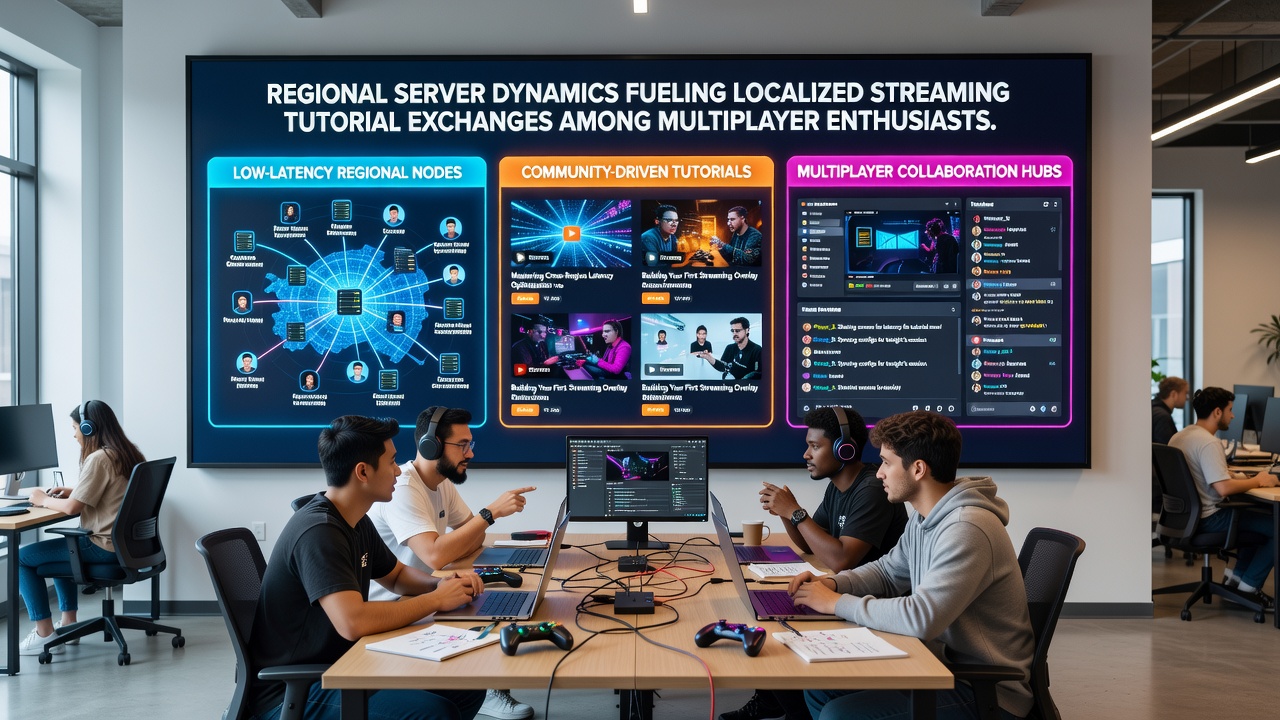
Regional Server Dynamics Fueling Localized Streaming Tutorial Exchanges Among Multiplayer Enthusiasts
Regional server infrastructure shapes how multiplayer communities form and share knowledge through streaming platforms, with latency patterns and player density driving tutorial exchanges in specific geographic clusters. Data from network monitoring firms indicates that servers located in East Asia maintain average ping rates under 30 milliseconds for local users, whereas cross-regional connections often exceed 120 milliseconds, creating incentives for enthusiasts to develop localized content that addresses these constraints directly.
Server Placement and Community Formation
Game publishers deploy servers in strategic locations to reduce lag for dense player populations, and this placement correlates with the emergence of dedicated streaming channels that focus on region-specific strategies. Observers note that titles supporting competitive modes experience higher tutorial creation rates when servers cluster near urban centers in Southeast Asia and parts of Europe, where population density supports consistent matchmaking. Those who track server logs report that localized groups exchange techniques for optimizing character builds or map navigation tailored to the reduced latency environments found within their zones.
Multiplayer enthusiasts frequently migrate toward servers that align with their physical locations, and streaming platforms capture this movement through increased viewership during peak evening hours. Research from academic institutions in Canada shows that tutorial videos uploaded from within the same server region receive higher engagement metrics compared to generic global content, because viewers recognize the practical relevance of tips addressing local network conditions.
Streaming as a Medium for Tutorial Exchange
Streamers operating on regional servers broadcast live sessions that demonstrate adjustments for hardware and connection variables common to their areas, turning gameplay into instructional exchanges. Viewers in similar time zones interact through chat overlays that prompt real-time modifications, such as graphics settings calibrated for Southeast Asian broadband profiles or controller mappings suited to European tournament rulesets. This process accelerates when servers experience scheduled maintenance windows, prompting enthusiasts to share alternative connection routes or proxy configurations during downtime periods.
Figures from industry reports reveal that tutorial segments within streams account for approximately 35 percent of total watch time in localized multiplayer circles as of November 2026, reflecting a shift toward practical demonstrations over entertainment-focused broadcasts. And yet the pattern holds across different regions, where enthusiasts adapt content to address unique server behaviors like packet loss rates documented in South American data centers.
Geographic Variations in Content Sharing
Enthusiasts in Australia and New Zealand develop exchanges around oceanic server stability, incorporating discussions of weather-related disruptions that affect routing paths, while counterparts in North American clusters emphasize cross-state synchronization techniques. A study conducted by researchers at the University of Tokyo documented increased tutorial uploads during periods when regional servers undergo firmware updates, noting that streamers reference specific patch notes to guide viewers through adaptation steps.
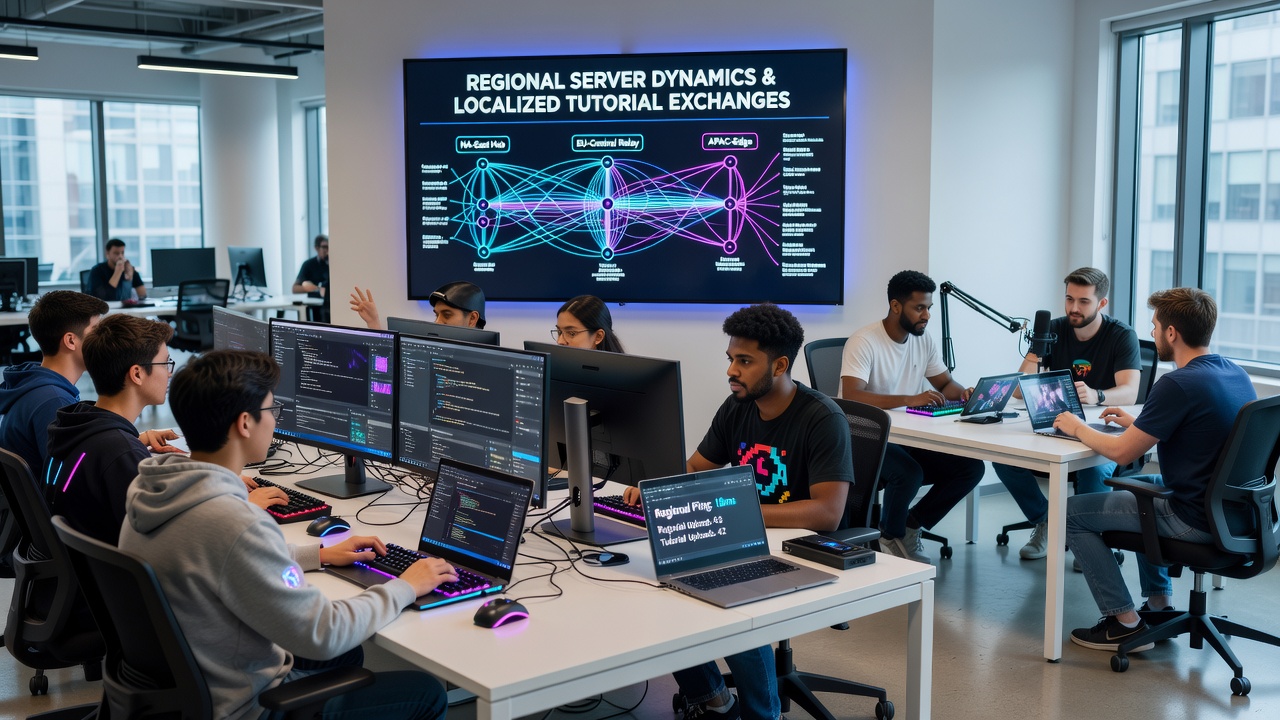
European participants often coordinate across multiple languages within the same server group, producing subtitled segments that translate technical terms for broader accessibility inside their latency bracket. Data from the Australian Communications and Media Authority highlights parallel trends, where localized streams see elevated participation when tutorial exchanges focus on hardware tweaks that compensate for variable upload speeds common in regional Australian infrastructure.
Technical Factors Driving Localized Interactions
Server tick rates and region-locked features create technical boundaries that encourage enthusiasts to pool knowledge through streaming rather than global forums. Those monitoring community metrics find that tutorial exchanges intensify around events such as seasonal updates, when new mechanics interact differently with regional network conditions. Streamers incorporate viewer-submitted clips that demonstrate fixes for issues like desync in cooperative modes, building repositories of region-specific solutions accessible through archived broadcasts.
Multiplayer titles with cross-play capabilities still exhibit strong localization because enthusiasts prioritize low-latency partners for competitive advantage, leading to tutorial content that maps out optimal server selection workflows. Evidence from network analysis tools indicates that participants who remain within their assigned regional clusters report fewer connection drops during extended sessions, reinforcing the value of shared streaming resources tailored to those environments.
Conclusion
Regional server dynamics continue to influence how multiplayer enthusiasts distribute streaming tutorials, with geographic and technical factors shaping content relevance and participation patterns. Data collected through November 2026 underscores the persistence of these localized exchanges across multiple continents, driven by measurable differences in latency, player density, and infrastructure characteristics.